Low testosterone doesn't stay contained to one part of life. Men experiencing declining energy, libido, and confidence often notice it seeping into their closest relationship too — sometimes in ways that are hard to name until you step back and look at the pattern.
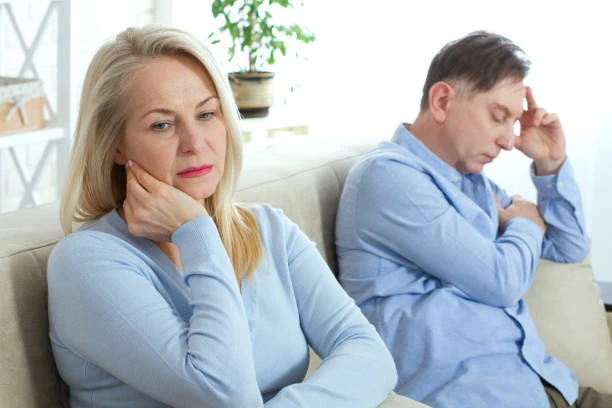
The Hormonal-Emotional Connection
Testosterone influences far more than libido. It plays a role in mood regulation, energy levels, motivation, and even how socially engaged men feel. When levels decline — whether from age, stress, poor sleep, or other factors — many men describe a kind of flatness: less interest in things they used to enjoy, less patience, more irritability, and less emotional or physical closeness with a partner.
How This Shows Up in Relationships
- Reduced intimacy: Lower libido is the most direct effect, but it often triggers a secondary layer of anxiety or avoidance around intimacy altogether.
- Withdrawal and irritability: Fatigue and mood changes can look like disinterest or distance to a partner, even when that's not the intent.
- Confidence erosion: Struggles with energy or performance can chip away at self-esteem, which shows up as reduced initiation, avoidance of vulnerability, or defensiveness.
- Miscommunication: Because low testosterone symptoms are often invisible and rarely discussed openly, partners can misread the changes as a loss of attraction or interest, when the root cause is physiological.
Why Silence Makes It Worse
One of the most common patterns we see described is that men experiencing these changes don't talk about it — not with their partner, and often not with a doctor either. That silence tends to compound the problem: the partner is left to guess at the cause, and the man himself may internalize it as a personal failure rather than a treatable hormonal issue.
Persistent low mood, loss of interest in things you used to enjoy, or relationship strain can also be signs of depression or other conditions unrelated to testosterone. If these feelings are significant or ongoing, it's worth speaking with a healthcare provider or mental health professional directly.
Steps Toward Rebuilding Connection
- Get tested, not just assumed. A simple blood test can confirm whether testosterone is actually low before assuming that's the cause.
- Talk about it directly. Naming what's happening — even briefly — helps a partner understand that distance isn't about them.
- Address the fundamentals. Sleep, stress, exercise, and body composition all meaningfully affect testosterone and are worth tackling regardless of supplement use.
- Consider research-backed natural support. Ingredients like Tongkat Ali and Boron have published research behind their role in testosterone support, and can be a reasonable part of a broader approach alongside lifestyle changes.

The Other Side of the Story
The flip side is worth saying too: many men who address the underlying hormonal and lifestyle factors report not just physical changes, but a real shift in mood, energy, and closeness with their partner. It's rarely an overnight change, but addressing the root cause — rather than just pushing through — tends to matter more than any single fix.
Curious what a research-backed approach to natural testosterone support actually looks like?
See VigorRise's Ingredient BreakdownThe Bottom Line
Low testosterone's effects on relationships are real but often invisible and under-discussed. Recognizing the pattern — and addressing it through testing, honest conversation, and a combination of lifestyle and research-backed support — can make a meaningful difference for both partners.
References
- Zarrouf FA, Artz S, Griffith J, et al. "Testosterone and depression: systematic review and meta-analysis." J Psychiatr Pract. 2009.
- Corona G, Rastrelli G, Maggi M. "Diagnosis and treatment of late-onset hypogonadism: systematic review and meta-analysis of TRT outcomes." Best Pract Res Clin Endocrinol Metab. 2013.
This article is for informational purposes only and is not medical or relationship advice. Consult a qualified healthcare professional for concerns about hormone levels or mental health. This page contains affiliate links; we may earn a commission if you purchase through them, at no extra cost to you.